
Types of Air Conditioners
April 15, 2026
Best Heater for a Baby’s Room in Australia
June 17, 2026Are Electric Panel Heaters Any Good?
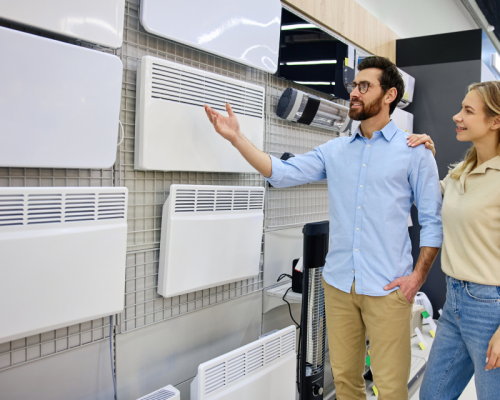
Electric panel heaters are one of the most common heating solutions in Australian homes. As an ideal choice for zoned or occasional heating, they are highly regarded as being quiet, slimline and effective for heating small to medium sized rooms. Understanding if electric panel heaters are any good requires nuance, however. They are excellent in small, well insulated rooms but inefficient as a primary, whole house heating solution unless you have panels in each room. As with all heating types, electric panel heaters have advantages and disadvantages depending on how they are used, budget and the size of the home.
What is an Electric Panel Heater?
An electric panel heater is also known as a convection heater. It is a slim, wall mounted or portable heating unit that uses electricity to generate heat. Unlike gas heaters or ducted systems, electric panel heaters do not need a flue, ventilation or complex installation work. Electric panel heaters plug into the power point or may be hardwired (permanently connected to the home’s electrical system) by an electrician.
How do Electric Panel Heaters Work?
Electric panel heaters create heat primarily through a natural convection process that converts electrical energy into thermal energy to warm the air in a room. The unit draws in the cool air, warms it internally and then releases it back into the room. The heating process is 3 stages:
- The heating element activates: Electrical energy is converted to heat once the panel heater is turned on. Electricity flows to the internal heating element which warms it up. This element is made of high resistance metal. As electricity passes through it, resistance causes it to heat up which is known as resistance heating. At this stage, heat is being generated but has not entered the room.
- Cool air drawn into the panel heater: Now the cool air from the room is drawn into the bottom of the panel and passes over the hot element. The air heats up and rises while cooler air continues to enter the panel and continue the process of convection.
- The warm air enters the room: The warm air escapes from the top of the panel heater by natural airflow. There is usually not a fan involved with a panel heater which is why they are quiet.
Electric Radiators or Panel Heaters
Although both types of heaters use electricity, electric radiators and panel heaters work differently and are suited to different situations. It is a common misconception that panel heaters and radiators are the same but they differ in how they look, warmth and heating ability. Choosing between the two comes down to the room size, use pattern and comfort preferences. Panel heaters are excellent for consistent warmth in small bedrooms or offices, while electric radiators feel warmer faster. They are better for large areas and heat up the air faster than a panel heater, using radiant heat rather than convection heating.
Advantages of Electric Panel Heaters
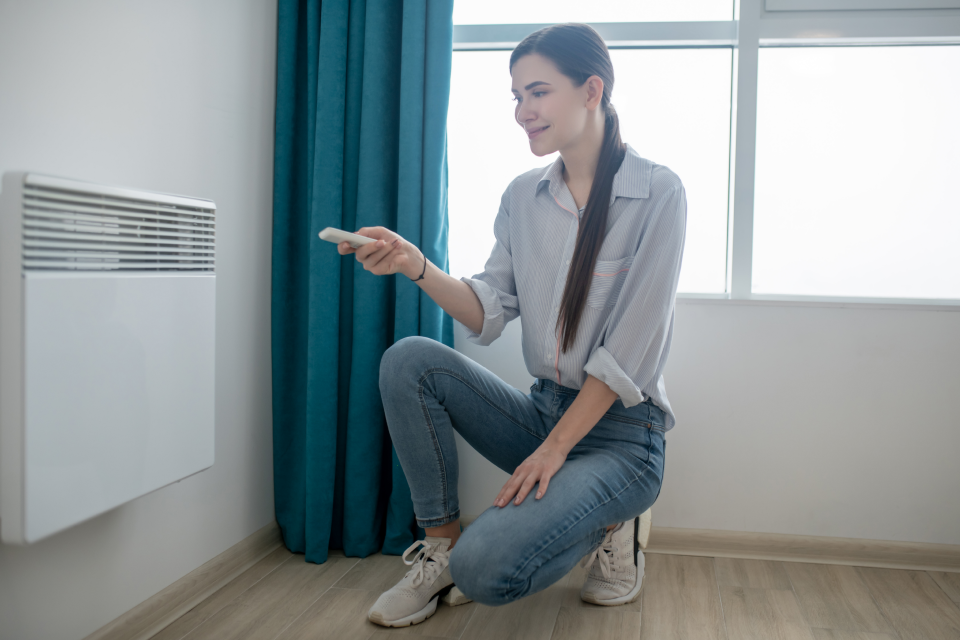
Electric panel heaters provide efficient, fast and silent zoned heating. They have a myriad of advantages that make them an excellent heating choice for small to medium sized spaces. Key benefits of electric panel heaters include:
- Easy installation: Most electric panel heaters simply need to be plugged into a wall socket. There is no need for a flue or gas line attachment. They can easily be set up by the homeowner, whether they are freestanding on the floor or mounted on the wall.
- Slim and space saving: Electric panel heaters are designed to be discreet with slim and space saving designs. They are often thin and minimalistic, compared to bulky space heaters or old oil column heaters.
- Quiet operation: Most electric panel heaters are extremely quiet as there are no fans or moving parts. Their silent operation makes them ideal for nurseries, bedrooms or offices.
- Safe to use: Panel heaters are extremely safe to use as they are often equipped with automatic overheating protection. They generally feature cool-to-touch surfaces, making them safer for homes with children or pets.
- Affordable: Electric panel heaters are an affordable option depending on the brand and size.
- Precision control: Many models feature digital thermostats, timers, and smart, programmable controls to maintain specific, desired temperatures.
- Zoned heating ability: As electric panel heaters are installed in separate rooms, they are perfect for zoned heating. Only use the heater in a room you want heated. This also serves towards energy efficiency and cost savings on electricity bills.
Disadvantages of Electric Panel Heaters
While electric panel heaters are easy to install, safe to use and cost less to buy, they do have some downshides. Here are some of the disadvantages to using an electric panel heater.
- High running costs: The running costs will depend on electricity rates but they are potentially expensive to operate long term.
- Best for small rooms: Electric panel heaters are suited to small to medium sized rooms and, as such, struggle heating a large space. This type of heater will not suit an open plan living room, high ceilings or poorly insulated homes.
- Air quality: They can circulate dust around the room which may aggravate allergies or asthma.
- Dependent on electricity: Electric panel heaters will not operate if there is no electricity supply.
- No cooling option: Unlike split system air conditioners, electric panel heaters cannot be used for both heating and cooling.
Are Electric Panel Heaters Energy Efficient?
An important factor to consider when deciding if an electric panel heater is any good is whether or not it is energy efficient. Energy efficiency of a heater refers to the ability to produce the maximum amount of heat using the least amount of energy. Electrical panel heaters are 100% energy efficient when it comes to conversion as they convert all of the electricity used into heat. Every 1kW of electricity turns into 1kW of heat. This means electric panel heaters have high conversion efficiency, no fuel waste and no flues or exhaust. Provided the room is small, an electric panel heater is extremely energy and cost efficient, using about 2000 watts or 2kW of electricity per hour. With the average cost of electricity at approximately 72 cents per hour, this makes them one of the most energy-efficient heating systems.
When are Electric Panel Heaters a Good Choice?
Electrical panel heaters are slim, efficient and safe and a great choice for homes that require quick, silent and efficient heating. They are ideal when you want to heat one room rather than a whole house. The specific elements that make an electrical panel heater an ideal choice are:
- For small to medium sized rooms: For heating in bedrooms, nurseries, studies or small lounges, an electric panel heater is the perfect solution. They are ideal for areas of up to about 20 to 25 square metres.
- If you want zoned heating: For those who want to heat one or two rooms, panel heaters are ideal. These individual heaters can be installed in one room that needs heating or multiple rooms to be used at different times.
- Where safety is a priority: When safety is paramount for heating children’s or baby’s rooms, this type of heater is the perfect choice. Electric panel heaters are usually fixed to the wall so there is no tip over risk. They have smooth, cool surfaces with no risk of burning from the heat, and extra safety features like overheat protection.
- If silent operation matters: Some other types of heaters can be quite loud but an electric panel heater is completely quiet. If there are people that are sensitive to noise or require complete silence for work or study, this is ideal.
- If you want it running all day: Electric panel heaters can run efficiently all day and keep a consistent temperature. They have a thermostat and timer control that prevents overheating and will save on electricity. The safety features ensure this heater can run safely for prolonged periods.
- If the home has no gas or ducted heating: These are versatile heating solutions for homes without gas connected or a central heating unit. They provide a fast and efficient solution without complete and expensive installation.
When are Electric Panel Heaters not a Good Choice?
For whole house heating or large, open spaces, an electric panel heater is not a good choice. While they have a plethora of benefits, here are some reasons it may not suit a home.
- If the area is a large open plan space: Electrical panel heaters are designed to heat rooms up to 25 square metres. Any more than that and this type of heater will not be sufficient for a comfortable room temperature. This sized room will lead to higher electricity consumption, slower heating times and inconsistent warmth. In larger spaces, ducted heating or reverse cycle air conditioning will be more effective.
- If the home is poorly insulated: Homes with poor insulation do not maintain heat as it escapes through walls and windows. A room that constantly loses heat will need a stronger heater than a panel heater.
- When instant heat is preferred: Electric panel heaters provide a gradual and gentle heat which is perfect for steady comfort. However, when instant heat is needed, this type of panel heating may seem too slow.
Electric Panel Heating vs Other Heating Types
When trying to decide if an electrical panel heater will be good for your home, it is important to compare it against the myriad of other forms of heating. We have put together a detailed comparison chart of each type of heating, how it works, key advantages, disadvantages, energy efficiency, and what it is best for.
| Heating method | How it works | Best for | Pros | Cons |
| Electric panel heater | The heated element warms the air which rises and circulates to the room | Bedrooms, home offices, small to medium rooms | Slim design, wall mounted, easy to install, inexpensive, safe for children | Can take longer to heat, will not heat large spaces |
| Electric radiator | Oil or thermal fluid inside the heat heats up and radiates warmth | Living spaces, large bedrooms, longer heating periods | Consistent heat, retains warmth when off | Heavy, more expensive, slower to heat initially |
| Fan heater | Electric element heats air and fan pushes it into the room | Quick, short term heating | Heats space quickly, portable, inexpensive | Noisy, dries out air, inefficient for long use, not safe for children |
| Reverse cycle | Heat pump extracts heat from outside air and transfers it inside | Whole room or whole home heating | Extremely efficient, heats and cools, good for large spaces | High installation cost |
| Hydronic heating | Heated water circulates through pipes and radiators or underfloor systems to warm the room | Whole home heating systems | Very consistent warmth,energy efficient, quiet, excellent comfort | High installation cost, requires plumbing |
| Split system air conditioner | Heat pump extracts heat from the outdoor air and transfers it inside to warm the room | Whole room heating and cooling | Extremely efficient, provides fast heating in winter and cooling in summer | Higher upfront cost, installation required |
| Hydronic electric radiator | This is a water-filled hydronic electric radiator that features an internal heating element and a small pump to circulate specially treated water within the radiator panel | Medium to large rooms | Easy installation, maintenance free, comfortable heating, quiet operation | More expensive, electricity dependent, heavy |
| Gas heater | Natural gas is burnt to produce heat which warms the room air | Large rooms or whole homes | Strong heating power, lower running costs in some areas | Needs gas supply and ventilation |
In the right situation electric panel haters are a good heating solution, particularly for smaller rooms that only need heating occasionally. In many homes an electric panel heater might be the secondary source of heat or installed in a nursery as one of the preferred forms of heating. When trying to decide if an electric panel heater is any good or the type of heating you require, talk to the experts in heating at Simplyair.
Call us Mon-Fri: 8:30am-5pm or leave us a message for a callback.

