
Best Heater for a Baby’s Room in Australia
June 17, 2026
Gas Ducted Heating Rebate Victoria
October 1, 2026Best Heating System for House
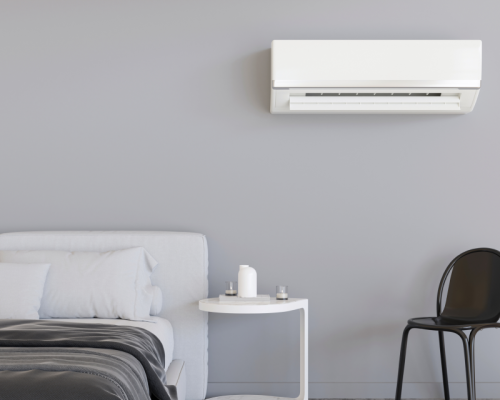
Homeowners are searching for the best ways to keep their homes warm and comfortable year round. For most homes, an electric reverse-cycle air conditioner will be the best heating system. They offer high energy efficiency, with both heating and cooling at an affordable price. For larger homes, a ducted heating system can be a smart choice, offering consistent whole-home heating. Our guide breaks down how to choose the best heating system for your home, including all the key factors, such as cost, local climate and efficiency.
Exploring Popular Heating Systems
Electric reverse-cycle air conditioner
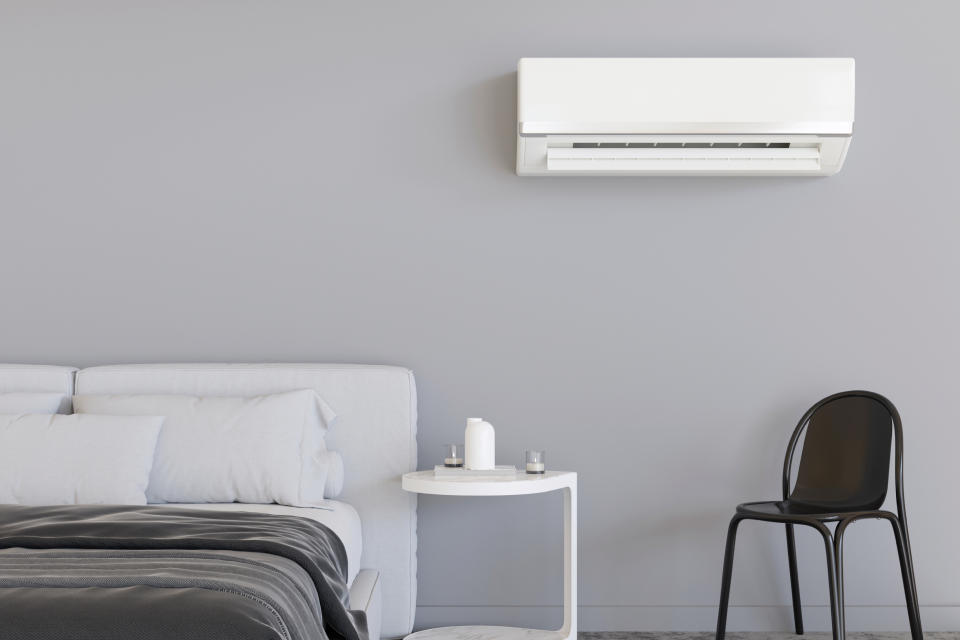
These are popular heating systems that use electricity to warm a home during winter and cool it during summer. When in heating mode, the outdoor unit extracts heat from the outside air, which is then transferred inside to warm the room. Homeowners can install a single unit or opt for a multi-split system in which multiple air conditioners are connected to a single outdoor unit.
Advantages
- Versatility – Reverse-cycle air conditioners are incredibly popular because they provide both heating and cooling. Particularly for regions of Australia that experience warm summers and cold winters, these systems offer the versatility to adjust the temperature depending on the season.
- Energy-efficient – These heating systems are the most energy-efficient option, because they move existing heat instead of generating it, like a gas heater. They are also incredibly economical, with every unit of electricity consumed able to generate three or more units of heat. Even less-efficient units (2-3 star energy rating) will be significantly less expensive to run and generate fewer carbon emissions than other heating options.
- Cost-effective – Reverse-cycle air conditioners only require small pipes that connect the outdoor and indoor units. This means they can be far more affordable to purchase than a ducted system, which requires significant ductwork that can be labour-intensive.
Drawbacks
- Maintenance requirements – To ensure it operates efficiently, reverse-cycle air conditioners have significant maintenance requirements, including regular cleaning of filters, coils and fans.
- Performance in extreme cold – As the outside temperature gets lower, there will be less heat available to extract. During these conditions, air conditioning units may struggle with heating a room quickly, with slight drops in efficiency and performance.
Electric ducted reverse-cycle air conditioner
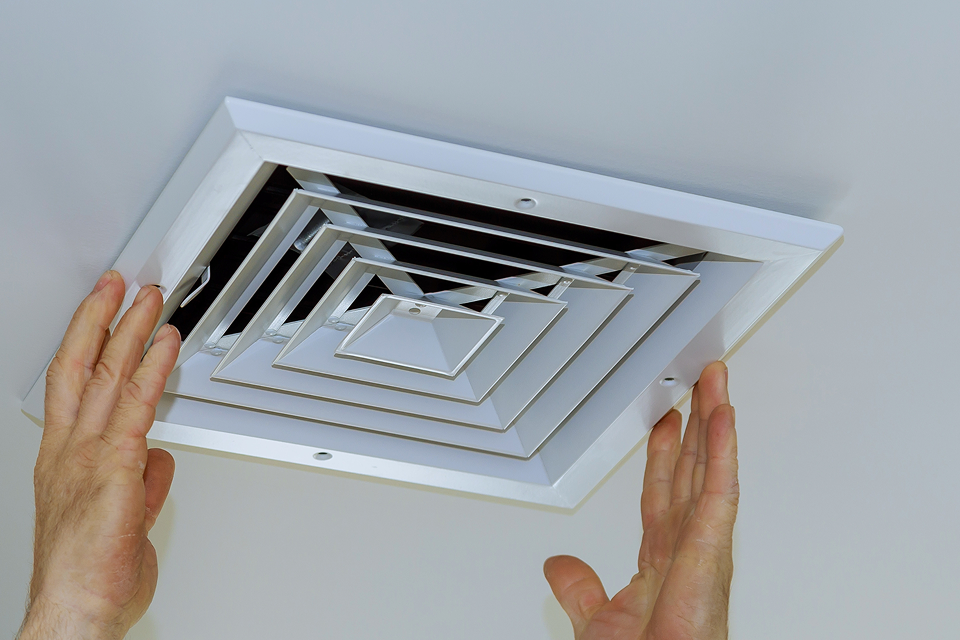
An electric ducted reverse-cycle air conditioning system supplies warm air to your entire home through a series of ducts that are connected to a central indoor unit. Like a reverse-cycle air conditioner, an outdoor unit is used to extract heat from the outside and transfer it indoors to effectively heat your home.
Advantages
- Whole-home heating and cooling – The biggest advantage of a ducted air conditioner is that it’s designed to heat your entire home. Rather than a single unit servicing one room, a ducted system can provide heating and cooling to every room.
- Hidden aesthetic appeal – Ducts and vents can be positioned within discreet locations around your home. With indoor components hidden within the roof and ceiling cavities, this system can operate without affecting visual appeal and interior design.
Drawbacks
- High installation costs – The primary drawback to these systems is the upfront cost. Ductwork can be complex to install, with costs typically exceeding those of a split-system by a significant margin.
Gas ducted heaters
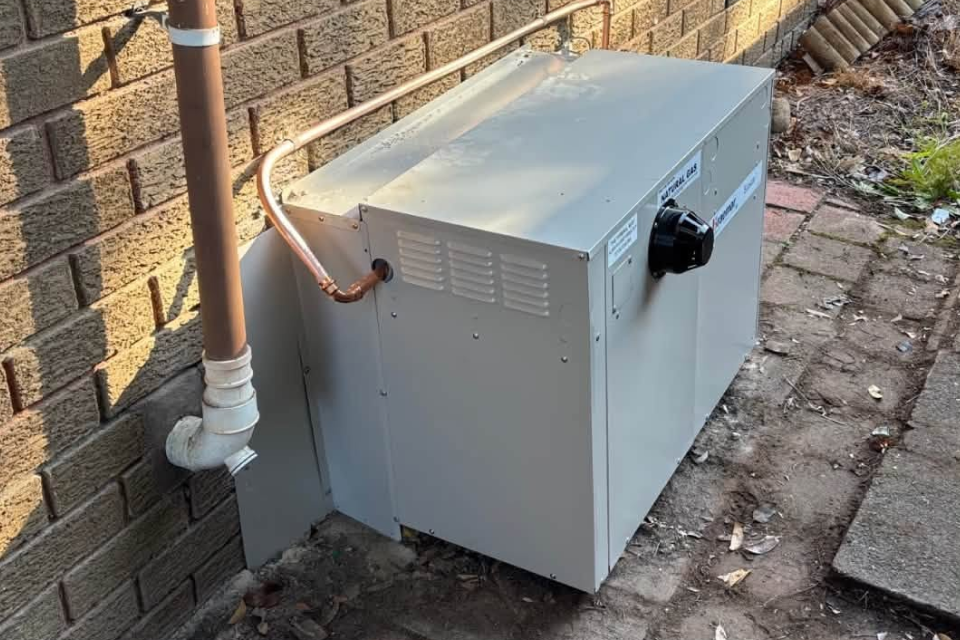
Another common heating solution, gas ducted heaters use natural gas or LPG to send warm air throughout a home, via a network of ducts and vents. A central gas furnace heats the air before a fan moves it through the ductwork.
Advantages
- Fast heating – Gas ducted heaters can warm an entire home exceptionally fast by burning natural gas to generate instant heat.
- Whole-home coverage – Gas ducted heaters are designed to deliver warmth throughout your entire home, helping to ensure a consistent temperature in every room.
- Zoning – Certain modern units can utilise zoning technology, meaning the rooms of your home are separated into independent areas. This allows you to tailor the temperature for specific rooms and prioritise the areas you’re using.
- Quiet operation – Because the central heating unit is generally tucked away in the roof space or outside, gas ducted systems operate quietly with minimal background noise as the air moves between the ductwork.
Drawbacks
- Expensive installation – The considerable ductwork, especially for larger homes, means that the cost of installation can be higher in instances. Homeowners also don’t have access to any energy rebates, like you would with energy-efficient electrical systems.
- Expensive operation – Gas ducted heating typically has high running costs, especially as gas prices increase, making it less economical over time. It also doesn’t provide cooling and can also add extra costs, with a separate cooling system needed that can add to overall costs.
Hydronic heat pump system
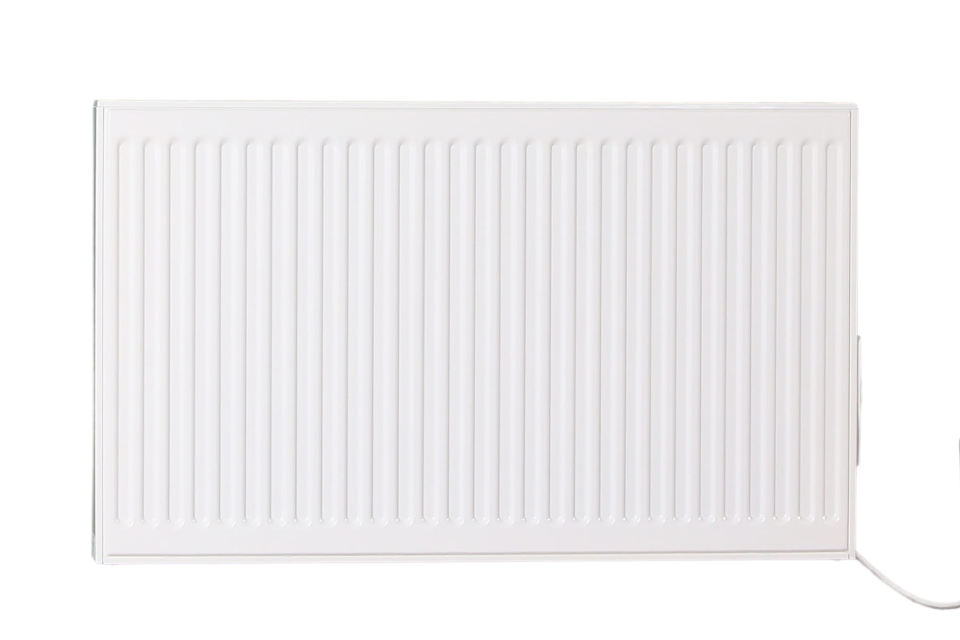
A hydronic system works by circulating warm water through radiator panels within rooms or under the floor. It incorporates a process called thermal convection, in which water is heated by a boiler or heat pump, which then flows through sealed piping to heat your home.
Advantages
- Energy-efficient – The design of a hydronic heater helps to reduce temperature loss, making it one of the more cost-effective systems. This is because water is a highly efficient medium for transporting heat, with the closed-loop design minimising heat loss.
- Safe and healthy – If you suffer from allergies or asthma, a hydronic system will be a good option for you, because the radiators don’t circulate any heated air or dust throughout the home.
- Silent operation – Because it relies on water to transport heat, it doesn’t use any fans or noisy blowers for silent operation.
Drawbacks
- Expensive – The biggest drawback to a hydronic system is that they are quite expensive to install, with the added upfront costs of pipework and radiator panels.
- Slow heat-up times – Hydronic systems can take longer than air-conditioners to reach the desired temperature and effectively heat a room. This is because these systems must first heat the water before relying on radiant heat to warm the surroundings slowly, unlike air conditioners, which can heat a room quickly by circulating warm air.
How to choose the best home heating system
To help you choose the best home heating system, we recommend considering the following key factors:
Cost
Heating systems can vary significantly depending on their cost. Units that are simple and easy to install are usually the most affordable. For example, wall-mounted air conditioners are usually one of the least expensive, because they are compact and combine affordable components into a single unit. On the other hand, a ducted heater, both electric and gas, will be more expensive because of the added complexity during installation.
Home layout
When assessing the right heating system, the home layout will be an essential factor to consider. If you’re only looking to heat a single room, or an area such as a living room or kitchen, a reverse-cycle air conditioner unit will typically be the best choice. If you’re looking to heat several rooms, a multi-split system may be a good option because it can connect multiple indoor units to a single outdoor unit. For whole-home heating, or multi-storey coverage, a ducted system will likely be ideal.
Don’t worry if you have a complex home layout; the team at Simplyair can carry out custom installs to find the perfect heating solution for you.
Climate
It helps to consider your climate when deciding on heating. For example, if you live in a cold climate, such as Tasmania, or parts of Victoria, we recommend a modern, reverse-cycle air conditioner that offers high energy-efficiency and low running costs. On the other hand, those in moderate climates should prioritise reverse-cycle systems that offer both heating and cooling for mild winters and warm summers.
Melbourne is a designated cold climate zone, meaning you should refer to the black sections of your air conditioner’s energy rating label. Split systems are a popular choice for balancing Melbourne’s hot summers and cold winters efficiently.
Efficiency
Heating systems will have different energy-efficiency levels that affect their running costs. This is important because you’ll likely want to prioritise an energy-efficient system that will be less expensive to run. Split-system air conditioners that provide heating and cooling are typically the most efficient option for managing temperatures throughout the year. On the other hand, ducted systems are usually less efficient because of the amount of energy that’s lost as the air makes its way through the ductwork.
Available rebates
Certain heating options will have rebates available, which can dramatically reduce the upfront costs. These are particularly beneficial for energy-efficient heaters, such as reverse-cycle air conditioners. Within Victoria, the Victorian Energy Upgrades (VEU) program offers households a discount of up to $1,500 for replacing a gas heater, and up to $4,000 for replacing an old ducted gas heater with a modern, energy-efficient split-system.
The following table breaks down each factor to help you find the right choice for your home:
| Factors | Electric reverse-cycle air conditioner (split-system) | Electric ducted reverse-cycle | Gas ducted heater | Hydronic heat pump system |
| Cost | Low – one of the most affordable systems | Higher – requires extensive ductwork | Higher – requires ductwork and gas connection | Highest – requires pipework and radiators |
| Home layout | Best for single rooms or small areas | Whole-home or multi-room heating | Larger homes requiring whole-home heating | Whole-home heating |
| Climate suitability | Cold climates (e.g. Melbourne, Tasmania) and moderate climates | Well-suited to homes requiring year-round climate control | Suits most climates, zoning helps target specific rooms | Suitable for colder climates where consistent, comfortable heating is required |
| Efficiency | Highest efficiency | High, although duct losses reduce overall efficiency | Lower efficiency, one of the most expensive to run | Efficient once running, but slow to heat up |
| Available rebates | Eligible for VEU rebates when replacing eligible gas heating systems | Eligible as an energy-efficient system | Generally not eligible | May be eligible when installed with an approved heat pump system |
Tips for saving on heating
Find an optimal, energy-efficient temperature
Raising your heater’s temperature by just one degree can add around 10-15% to your energy bill. We recommend keeping your system set to approximately 18°C, as this will be enough to warm your home to a comfortable temperature, without wasting unnecessary energy. While it can be tempting to bump the heat up during the cold winters, try to keep a consistent temperature for added savings.
Use timers
We all sometimes forget to turn off our heaters or split systems. Especially during the winter months, it often feels like you never turn your heater off. However, to ensure you don’t waste valuable energy overnight, or during the day while you’re at work, you can utilise a heating system’s timer function. This means your heater will automatically switch off at certain times of the day to reduce your energy consumption.
Eliminate any draughts
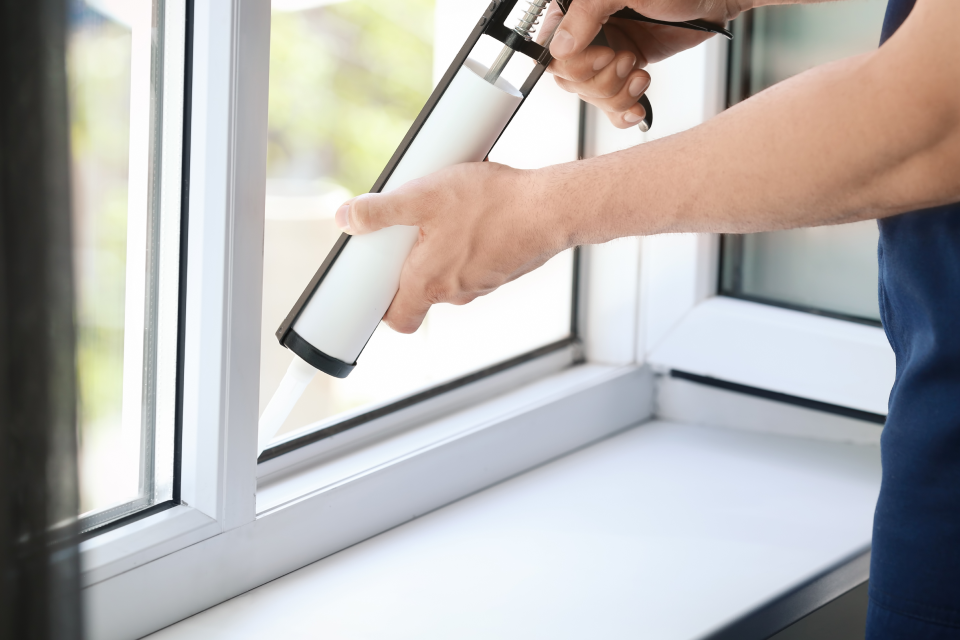
Any cold air that enters your home can be a silent killer in reducing the thermal efficiency of your home. Unwanted gaps, cracks and holes can all be gateways for warm air to escape your home. Check your windows for cracks, and consider sealing gaps with insulation strips. You could also add door snakes to block warm air from escaping underneath doors. Draught-proofing your home helps to make temperatures more comfortable, helping to trap the hot air in, while reducing the burden on heating appliances.
Add curtains or blinds
Studies have shown that up to 40% of heat loss through winter happens through uncovered windows. Therefore, to keep your home warm during winter, we recommend having blinds or curtains that you close overnight to prevent heat loss. Make sure you also open the curtains during the day to let valuable sunlight in, and to ensure you don’t overwork your heater.
Maintain equipment
Make sure you keep your heater properly maintained with regular cleaning and servicing. A dirty heater may not perform as efficiently, which can quickly increase energy costs. Try to clean filters and organise for an annual maintenance check to identify any issues.
Available rebates
Plenty of rebates are also available to homeowners that reduce the upfront cost of energy-efficient appliances and increase overall savings. Victorians can access the Victorian Energy Upgrades (VEU) program to claim discounts of up to $1,610 and $460 in annual savings when replacing a non-ducted gas heater with a reverse-cycle air conditioner. When removing or replacing a ducted gas heater, you can expect discounts of up to $1,500-$4,000.
When it comes to finding the right heating system for your home this winter, the ideal solution for your home will depend on a variety of factors. If you’re looking for a cost-effective system that balances efficiency and versatility, an electric reverse-cycle air conditioner will likely be the best choice. However, for larger homes, a ducted heater may be the preferred choice. For the best range of heating systems, please reach out to the experts at Simplyair for more information.
Call us Mon-Fri: 8:30am-5pm or leave us a message for a callback.

