

How to Choose an Air Conditioner
January 8, 2026
Types of Air Conditioners
April 15, 2026Air Conditioner Problems and Solutions
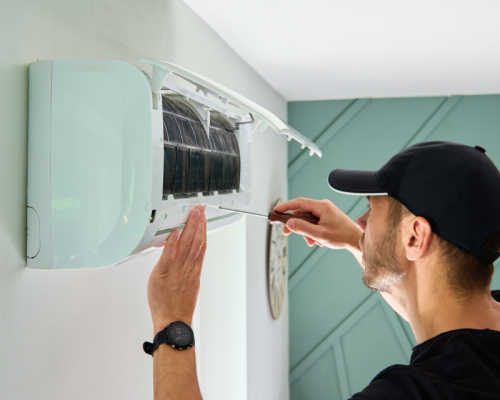
When the weather is hot it is important to have a properly functioning air conditioner. Most air conditioners will operate well provided they are looked after with adequate maintenance and servicing, but occasionally problems do happen. Sometimes an air conditioner may not blow cold air or start leaking water which will need addressing. Whether you can fix the problem yourself or need a professional will depend on the complexity of the issue. Most routine maintenance and troubleshooting can be done by the homeowner but if repairs involve electrical components, refrigerant or mechanical parts, it is important to contact a licensed professional.
10 Most Common Air Conditioner Problems
Air conditioners are complex cooling systems that usually don’t have too many problems but, on occasion there may be some issues that need fixing. The most common air conditioner problems tend to be reduced performance or poor air flow and these are usually fixed easily by a technician. To ensure your air conditioner runs smoothly all year round, this list covers the 10 most common air conditioner problems you may encounter and how to fix them.
1. Air conditioner not cooling properly
The job of an air conditioner is to cool an area so when it fails to remove heat and humidity from the room it indicates a problem. An air conditioner that is not cooling properly will often blow warm or lukewarm air and you will notice it is not cooling the room efficiently even though it is running.
Causes
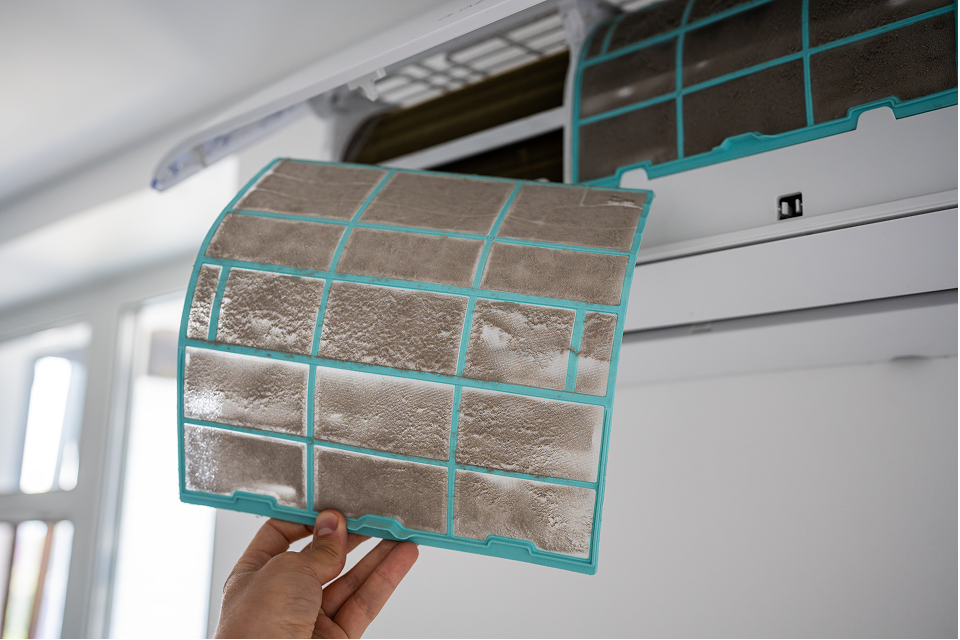
- The main cause of an air conditioner not cooling properly is a dirty or clogged air filter. This restricts the air flow and causes the unit to work harder.
- Low refrigerant levels can also prevent the air conditioner from working. This means there is not enough refrigerant to cool the air.
- Dirty condenser coils could also be a problem. When they are dirty, they fail to release heat which makes the system inefficient.
Troubleshooting
- Clean or replace the air filters every few months.
- Hire a technician to detect leaks and repair them and then recharge the refrigerant.
- Clean the outdoor condenser coils.
2. Fan not working
When the fan is not working , there will be no air flow when the air conditioner is turned on. The unit may still cool down but no cold air will circulate into the room. There may be a buzzing or humming noise from the outdoor unit but the fan is still.
Causes
- Damaged or loose wires. Over time the wires can become loose or frayed and this broken connection will stop the fan from receiving electricity and oscillating.
- Faulty indoor fan motor. Motors in the fan can fail due to age, dirt build up or a lack of lubrication. A worn out motor will cause the fan to start occasionally or stop completely.
- Capacitor failure: The capacitor helps the fan motor start and maintain rotation at a steady pace. A weak or broken capacitor often results in the fan starting slowly or not at all.
- Faulty control board. The control board is the hub for any moisture, oxidisation or short circuits can sometimes cause the control board to fail which leaves the fan unresponsive.
Troubleshooting
- Check and replace damaged wires. Hire a technician to inspect the wiring connections for burns, loose joints or breaks. Have any damaged wires replaced and ensure the connections are prosperity sealed. This must be done by a licensed technician to avoid electric shock or further damage.
- Replace the fan motor or blades. Have a professional air conditioner specialist replace the fan motor or blades. Proper installation of this new motor is essential to ensure the fan is balanced for ultimate efficiency.
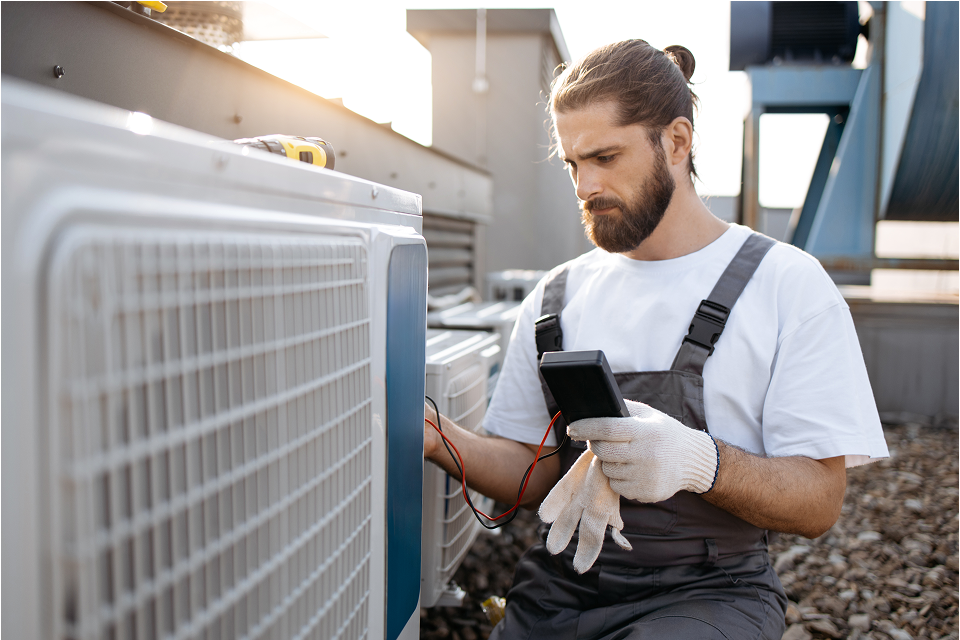
- Install a new capacitor. Have a professional test the capacitor with a multimeter. If it is faulty, have it replaced to restore smooth fan operation and protect the motor from overloading.
- Repair or replace the control board. An electrical technician will need to inspect the indoor unit’s control board. Depending on the extent of damage, it may need to be replaced or repaired. This must be done by a professional and using compatible, manufacture-approved parts.
3. Noisy operation
As a rule air conditioners should not make a lot of noise. Any normal noise is usually low level, consistent and unobtrusive. However, when an air conditioner starts making loud sounds like humming, buzzing, rattling or hissing, it will need to be addressed.
Causes
- For rattling or clanking, the cause may be loose screws, panels or debris inside the unit.
- Humming or buzzing is often caused by a failing contractor, loose wiring or a malfunctioning motor.
- If hissing noises are heard this usually points to a clogged filter or air flow issues.
Troubleshooting
- Have a technician check the air filter as a clogged system makes the filter work harder and can cause whistling or rattling.
- A specialist should tighten the panels and check for loose screws on the casing, then level the unit to ensure it is stable which may be the cause of clanking noises.
- Clean the condenser coils using a garden hose to rinse off any debris.
- Inspect the ductwork and seal any gaps that might be causing air to escape and make noise. A professional technician must do this inspection.
4. Not turning on
When the electricity is connected and the air conditioner is wired to the circuit, it should turn on by using the remote control or the switches on the unit itself. An air conditioner that does not turn on will simply not start running when buttons are pressed. No lights will come on and no air will circulate.
Causes
- Tripped breaker. A tripped breaker occurs when the circuit breaker in the electrical panel shuts off the power to the air conditioning unit. This usually happens because it has detected a surge, short circuit or overload circuit and presents potential damage or fire hazards. This is a safety mechanism often triggered by dirty air filters, a failing compressor or old wiring.
- Faulty thermostat. When the thermostat is faulty it fails to accurately read the room temperature and send the right signals to the air conditioning system. This can prevent the air conditioner from turning on or cause it to short cycle (turn on and off frequently).
- Blown fuse. This is a safety device in an air conditioner that melts and breaks when excessive current flows through it, instantly cutting off power to prevent damage. A blown fuse will stop the air conditioner from turning on by creating an open circuit and stopping electricity from reaching the compressor or motor,
Troubleshooting
- Check the power source first. Make sure the air conditioner is receiving power so ensure the plug is correctly secured into the outlet and the power is turned on.
- Check the circuit breaker to see if any breakers have tripped. Flipping the switch back to the ‘on’ position might be all it takes to get the air conditioner working again.
- Inspect for blown fuses. If the home uses fuses a blown one can halt the air conditioner from functioning. You will need to replace the fuse if it is blown.
- Make sure the thermostat is working properly. Double check that it is set to cool mode and that the batteries are still working. If the thermostat is not working even after this intervention, contact a professional technician as it may need to be serviced, repaired or replaced.
5. Leaking water
Water leaking from an air conditioner often appears as dripping, pooling or water stains around the unit. Sometimes water might be accompanied by mould or algae buildup. You may also notice rust stains on the drains or water stains on the walls or ceiling.
Causes
- Clogged drain line. When a drain line is clogged with dust, insects or mould it can result in water backup and overflow.
- Dirty air filters can cause restricted air flow which makes the evaporator coil become too cold and freeze. When this melts it causes a leak.
- Improper installation. When the indoor unit has not been installed by a professional air conditioner technician, it may not be perfectly level which means water cannot flow properly into the drain line.
- Broken condensate pump. For systems that use a pump, it may sometimes fail and stop pumping water out of the unit. This causes leaking.
Troubleshooting
- Change filters on a regular basis. It is important to replace air filters every one to three months to avoid restricted air flow and the buildup of ice on the evaporator coil.
- Clean the drain line. Use a wet and dry vac or a specialised cleaner to clear blockages in the drain line.
- Have a technician inspect for low refrigerant and clean the coils annually to prevent leakage.
6. Thermostat not working
When the thermostat stops working, it is often noticeable because the temperature settings are difficult to control, temperature is inconsistent, or the unit continues to turn on and off. Settings on the thermostat can automatically reset themself and energy bills tend to increase.
Causes
- Dead batteries. The most common cause for digital display is it needs batteries replaced.
- The thermostat needs replacing as it is too old or outdated. Thermostats tend to lose accuracy and fail over time.
- There is a programming error. For it to operate effectively the thermostat needs to be programmed correctly.
Troubleshooting
- Check the batteries in the digital display.
- Refer to the owners manual for information on how to program the thermostat. Follow the instructions to program it correctly.
- Organise an air conditioner specialist to inspect the unit and thermostat to determine if it needs repair or replacement.
7. Clogged or blocked air filters
Air conditioners filters sometimes accumulate dust or dirt which restricts air flow and reduces performance. If the air conditioner has a clogged air filter it may make strange noises or even ice up.
Causes
- Build up of dust and debris inside the filter.
- Build up of leaves or insects trapped in the intake.
- Neglected maintenance and servicing.
- Low quality filters.
Troubleshooting
- Inspect and replace the air filter. Have a professional regularly respect and replace the air filter every few months.
- Clean the air filter regularly to avoid debris buildup.
- Choose good quality air conditioners and parts to avoid unnecessary issues.
8. Refrigerant leaks
A refrigerant leak in an air conditioner is the escape of coolant from the sealed copper coils and lines. This liquid or gas might seep out of a damaged air conditioner through holes or cracks. The refrigerant is the primary cooling component of air conditioners so, when it leaks, the air conditioner often will not cool as efficiently.
Causes
- Corrosion when the copper coils degrade because of wear and tear or exposure to humidity.
- Improper installation. When air conditioners are not installed professionally, components may not be sealed properly leading to early failures.
- Wear and tear. Air conditioners are prone to wear and tear particularly in the weakening of joints. This can lead to leaking of refrigerant as the tubes deteriorate.
Troubleshooting
- Turn off the air conditioner immediately and isolate the power as refrigerant leaks are potentially hazardous.
- Contact a licensed professional to conduct repairs immediately.
- After the repair the technician will need to recharge the system with the appropriate type and amount of refrigerant.
- To avoid refrigerant leaks, regular maintenance is required with specialist inspections twice a year.
- Ensure proper installation by a licensed professional.
9. Ice build up frozen coils
It is easy to identify this issue if there is visible ice buildup on the coils, or excess condensation or puddles of water near the indoor drain pan.
Causes
- The primary cause is low temperature in the evaporative coils. When the surface temperature of the evaporator coils drops below 0°C, moisture in the surrounding air begins to freeze on contact. Under normal operating conditions, the coils should not get below freezing temperature.
- Airflow restrictions cause the coils to freeze up because the coil is unable to absorb heat efficiently which causes its temperature to drop dangerously low.
Troubleshooting
- Contact a professional to diagnose the problem. They will inspect the unit using gauges, sensors and tools to check pressures and air flow.
- Regular maintenance to cl;ean or replace air filters, check refrigerant levels and pressure, and assess coil condition for dirt or dust.
10. Strange smell
An air conditioner that is working well should not smell so any unusual odour when the air conditioner is turned on could indicate a problem. Smells that may emit from an air conditioner include musty, dust, burning, rotten egg or chemical odours.
Causes
- Mould and mildew growth inside the air conditioner can cause a musty smell. Sometimes it can grow on the evaporator coil, inside the vents and ducts, or on blocked drain pipes.
- When the air conditioner hasn’t been used for a long time it can have a dusty smell when it is first turned on.
- Gas leaks or dead animals can cause the rotten egg smell.
- Air conditioner components overheating cause a burning smell.
- Refrigerant leak can cause a chemical smell.
Troubleshooting
- When smells are overpowering or dangerous, contact an air conditioner professional immediately.
- For burning or chemical smells, turn the air conditioner off and disconnect from the power.
- Clean the air conditioner components regularly.
- Schedule maintenance and professional inspection at least once a year.
How to Prevent Air Conditioner Problems
To prevent air conditioner problems and get the most out of your air conditioner, follow these most important tips.
- Regular maintenance and servicing: Professional servicing and maintenance are key to an air conditioner’s performance. A well maintained air conditioner will last longer, be energy efficient and save you money.
- Choose the right settings: Setting your air conditioner on the right temperature is not just about comfort. It is also about reducing wear and tear on the unit. The right setting will ensure energy efficiency and a continually pleasant environment. As a rule, air conditioners should not be set below 20°C as it makes the compressor run at maximum capacity for too long, leading to overheating.
- Clean filters: Clogged filters make the air conditioner work harder and also keep the air in the home full of dust and allergens. Make sure to clean the filters regularly to improve performance and indoor air quality.
- Check the thermostat: Keep an eye on the thermostat to make sure it is working properly and giving the best cooling results.
- Clean the outside unit of the air conditioner: Keep this area free of debris like leaves and dust that can accumulate outside. Use a garden hose, broom or duster to gently clean the outdoor unit.
Air conditioners are the best way to keep a home cool in the heat of summer and can also be used for heating when the unit has reverse cycle capacity. If well maintained and cared for, they will last a long time but occasionally there can be problems. If you have any issues with your air conditioner, contact the team at Simply Air for assistance.
Call us Mon-Fri: 8:30am-5pm or leave us a message for a callback.

