
Ducted vs Split System Air Conditioning
November 28, 2025
Evaporative Cooling Vs Air Conditioning
January 7, 2026The Best Temperature Setting for Air Conditioning in an Australian Winter
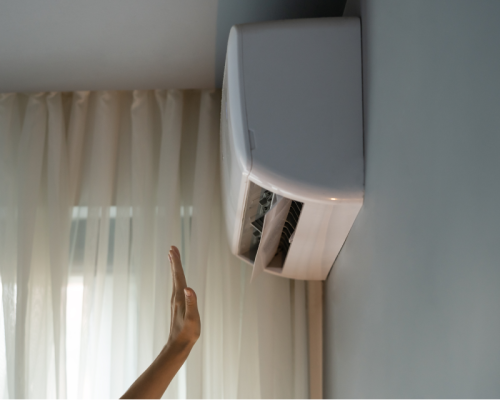
To achieve the ultimate comfort and energy efficiency in winter, it is important to know the best temperature setting for your thermostat. Air conditioners used in winter have heat pump technology like a reverse cycle air conditioner that both heats and cools. Most experts recommend the best temperature for heating in winter is between 18 and 21°C to maintain a comfortable environment and not overload the system. Studies show that every degree of heating above that can add up to 10% to your energy use. While there are some exceptions with the right setting depending on the climate, in most cases the baseline temperature range is within these parameters.
Most Efficient Temperature State by State
The baseline temperature of 18 to 21°C is the most efficient for the majority of states in Australia. However, some areas have more extreme climates and will require a different temperature for maximum efficiency. These temperatures are the most efficient for each state and territory in Australia.
- NSW: In areas like NSW with a cool to mild climate with average temperatures of about 8-17°C, set the thermostat to 18 to 20°C.
- Victoria: In Victoria, cloudy days and cool winters usually range between 6.5 and 14.2°C, particularly in Melbourne. The best temperature for an air conditioner to heat in those conditions is between 18 to 21°C.
- Queensland: Southern Queensland in areas like Brisbane can experience cooler temperatures in winter of 9 to 21°C so the heating temperature should be around 18 to 20°C. .
- Tasmania: As a much cooler state with average winter temperature of 3 to 11°C, the ideal air conditioner temperature for heating is 18 to 22°C.
- South Australia: With a temperate climate much like Victoria, the most efficient heating temperature for South Australia is between 18 to 21°C.
- Western Australia: The varying climate of Western Australia means temperatures in winter can range from 8 to 19°C in Perth, 4 to 17°C in the Goldfields, and 30°C on average in the northern part of the state. For the cooler areas, the most efficient temperature for the air conditioner setting would be 18 to 20°C.
- Northern Territory: With a very mild winter climate in places like Darwin with an average temperature of 17–31°C, there is no need for heating. Temperatures are cooler inland, with average winter temperatures of 4.8 to 20°C during the day and below 0°C overnight, the most efficient temperature would be 18 to 21°C for a short time during the evening.
Why is it Important to Find the Best Temperature?
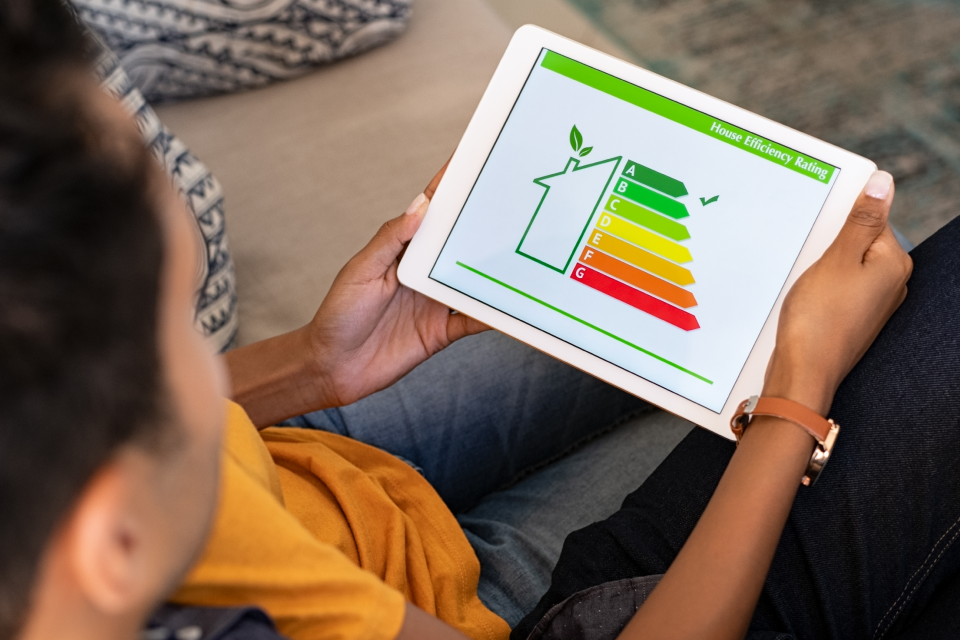
Maintaining a consistent temperature in the home is important in winter for comfort and energy efficiency. The secret to maintaining a comfortable temperature without increasing the bills is by finding the best temperature. Apart from keeping your home warm in the cooler months, the benefits of finding the best temperature for your air conditioner are:
- Energy efficiency: When you heat a home with less energy consumption, it is an energy efficient method of heating. The right temperature for an air conditioner means it will not have to work as hard to maintain the desired comfort level. This consistent temperature setting will reduce the electricity the air conditioner uses and result in significantly lower energy bills.
- Health benefits: Having the right indoor temperature in winter results in a variety of health benefits. Overly heated rooms can have severe effects on physical health as they can aggravate conditions like heart disease and diabetes. When a consistent and stable temperature is achieved, colds, flus and infections are less likely.
- Better sleep: A cooler room that is not overly heated is known to lead to better sleep quality and can increase the restful sleep needed for brain function and cognitive development. If the thermostat is set too high, it is harder to fall asleep as the core body temperature needs to cool down in order to signal the brain that it’s time to rest.
- Cost: Keeping the thermostat set at the right temperature reduces energy consumption and keeps costs down. When you raise the temperature by even one degree it increases energy costs by between 5 and 10%.
- Consistent productivity: When working in an office or at home, overly heated spaces may reduce productivity as heated rooms can lead to lethargy and tiredness. Keeping the working environment at the right temperature will encourage consistent productivity.
Key Factors Influencing the Best Temperature
In the majority of situations, the most energy efficient temperature for an air conditioner in winter is ideally between 18 and 21°C. However, this is just a guideline and there are some factors that will influence the best temperature for your air conditioner in winter. These include:
- Personal comfort: The main reason for having an air conditioner on in winter is for personal comfort. An uncomfortable environment will be one that is too hot or too cold. Some people prefer a warmer room while others prefer cold. These preferences can be influenced by a number of factors like age, body type, the exercise a person is doing or even the type of clothing they are wearing.
- Home insulation: The quality of home insulation influences the right temperature setting as it dictates the level of heat transfer. A well insulated home will maintain a more stable and comfortable temperature because there will be less heat loss through the windows, doors and ceilings.
- Climate: The climate directly impacts the best temperature setting. A cold climate like Melbourne will mean colder indoor temperature and increased need for heating. Subtropical climates like Darwin require little to no heating.
- Humidity: If a room is humid it can make the air feel warmer, which may allow for lower temperature settings to provide a stable level of comfort.
Best Air Conditioner Temperature for Saving Energy in Winter
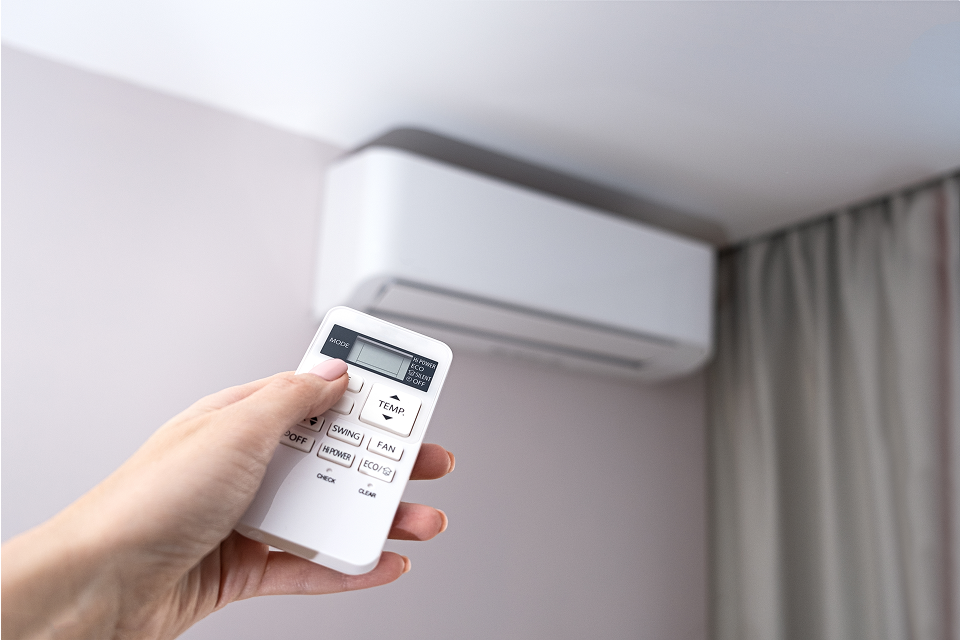
The best temperature range for maximum energy efficiency in winter is between 18 and 21°C. It saves energy because the lower the thermostat setting, the less energy the heater uses to reach and maintain the temperature. The energy efficiency of an air conditioner will also be dependent on its energy rating and the type of air conditioner you have. The energy efficiency rating is a star system for energy efficiency and consumption. The type of air conditioner also has an impact on energy efficiency with some more efficient than others.
Best Air Conditioner Temperature for Sleeping in Winter

When it comes to sleeping, the best air conditioner temperature in winter is between 15.6°C and 19.4°C. A room that is cool facilitates the body’s natural temperature drop needed for a deep and consistent sleep. This temperature may vary from person to person but most sleep experts recommend temperature within this degree range for the most comfortable sleep.
How Does Air Conditioner Temperature Affect Cost?
When an air conditioner temperature is set too high it uses more energy to reach the desired setting, increasing the cost of electricity bills. The three main ways an air conditioner temperature affects cost are:
- Temperature set too high: Every degree above the comfortable, advised temperature can add 5 to 10% to energy usage increasing costs dramatically.
- Constantly changing settings: When settings are constantly changed, the air conditioner has to work harder to achieve a high temperature which uses more energy, resulting in higher bills.
- Turning the air conditioner on and off: Having a stable temperature at all times is better than turning the air conditioner on and off regularly. Heaters use a significant amount of energy when starting up, so turning on and off increases energy usage and how much it costs.
Tips For Maintaining the Best Temperature for an Air Conditioner in Winter

Maintain the best temperature for the air conditioner in winter and keep warm without using extra energy by following these tips:
- Set temperature on thermostat: Program the thermostat for between 18 and 21°C during the day and leave it.
- Avoid overheating: Do not raise the temperature above the programmed thermostat as it will overheat the room and lead to higher bills.
- Keep the heat inside: Make sure the heat does not escape by closing doors and windows, closing curtains and using rugs and carpets as a barrier against cold floors.
- Regular maintenance and servicing: For optimum performance, have the air conditioner serviced regularly. Clean the air conditioning filter every few months and keep the outdoor unit clean.
- Zone heating: Identify which rooms need to be heated and zone the air conditioner to only service those rooms. This will help keep energy consumption down and reduce bills.
- Don’t run overnight: Turn the air conditioner off at the end of the day or, if particularly cold, keep to a range of about 15 to 18°C.
- Choose the right air conditioner size: The right air conditioner size is important for energy consumption and comfort. The right sized unit will be able to provide consistent temperatures while using less electricity.
- Upgrade: If you are dealing with an outdated air conditioner that is using more energy and finding it hard to maintain stable temperatures, you may want to consider an upgrade. Most air conditioners, if maintained properly, can last about 10 to 15 years. When it is time to upgrade, there are some government rebates that you may be eligible for, depending on the state.
Understanding the best temperature for air conditioning in winter is important to ensure comfort and energy efficiency. Air conditioning thermostats should be set to between 18 and 21°C during the day and lower during the evening for optimum sleeping conditions. Our article explains the best temperature for air conditioning in winter in Australia, and how to achieve it. For further information contact the team at Simply Air.
Call us Mon-Fri: 8:30am-5pm or leave us a message for a callback.

